
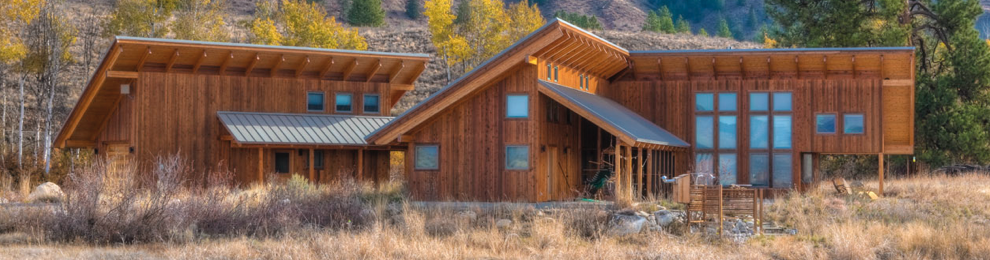
Western Red Cedar Siding: Performance and Longevity in Exterior Applications
Western Red Cedar siding, which is often referred to simply as cedar siding, remains one of the most specified natural wood cladding materials for custom residential construction. It is typically ordered in coordinated packages to ensure grade consistency, moisture balance, and visual continuity across the building envelope.
Its reputation is not based on trend or aesthetics alone. It is specified because it performs predictably, ages with character, and protects architectural intent over decades.
Material selection for exterior cladding is not a finish decision. It is a performance decision. When chosen early and specified correctly, Western Red Cedar siding reduces lifecycle risk, simplifies maintenance planning, and supports long-term durability in demanding climates.
What Western Red Cedar Siding Is, and Why It Is Specified
It is frequently specified for:
- Custom Homes
- High exposure coastal builds
- Mountain and freeze–thaw climates
- Projects where long-term visual aging matters
Unlike synthetic cladding systems, Western Red Cedar siding performs as a breathable, natural material. It allows assemblies to manage moisture while maintaining structural and aesthetic integrity.
Architects specify it not because it is common, but because it is predictable.
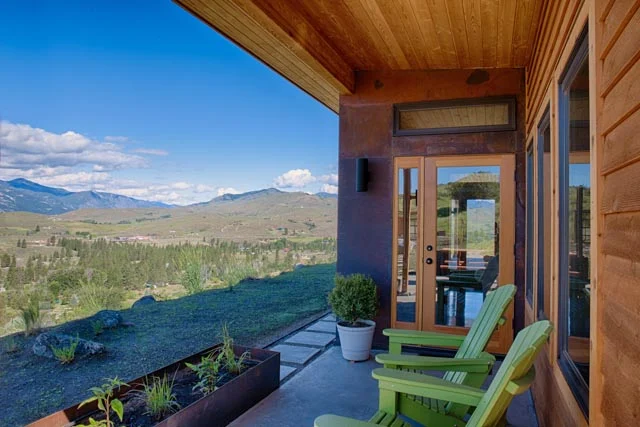
Performance Under Real-World Conditions
Exterior cladding is subjected to movement, moisture cycling, and seasonal stress. The difference between materials often appears years after installation.
Dimensional Stability
Cedar has a low shrinkage coefficient relative to many other wood species. This means reduced movement across seasonal humidity changes when properly acclimated and installed.
Stability matters more than strength in siding applications. Excessive movement leads to cracking, joint separation, and finish failure.
Moisture and Decay Resistance
Western Red Cedar contains natural extractives that resist fungal decay and insect damage. While no wood is immune to improper installation, cedar’s natural resistance reduces long-term vulnerability when detailing is correct.
Freeze–Thaw and Climate Behavior
In cold climates, stability under freeze–thaw cycling becomes critical. Western Red Cedar performs reliably when:
• Installed with appropriate clearances
• Properly ventilated
• Finished or allowed to weather intentionally
This predictability is one reason it remains a benchmark exterior species.
Longevity and Lifecycle Expectations for Western Red Cedar Siding
A common question is: how long does cedar siding last? When properly installed and maintained, Western Red Cedar siding can perform for decades.
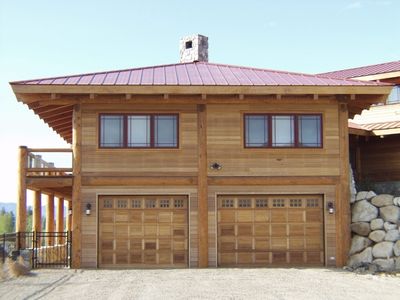
Longevity depends on:
- Exposure level
- Finish system
- Installation detailing
- Ongoing maintenance
Unlike fiber cement, which may require full-panel replacement if damaged, cedar siding allows localized repair and refinishing.
Lifecycle thinking shifts the conversation from initial cost to long-term stewardship.
Where Western Red Cedar Siding Performs Best
Western Red Cedar siding is well-suited for:
- Accent walls and architectural details
- Custom residential exteriors
- Projects prioritizing warmth and natural aging
- Coastal and high-moisture environments when properly detailed
Its lightweight nature also reduces structural load demands compared to heavier cladding systems.
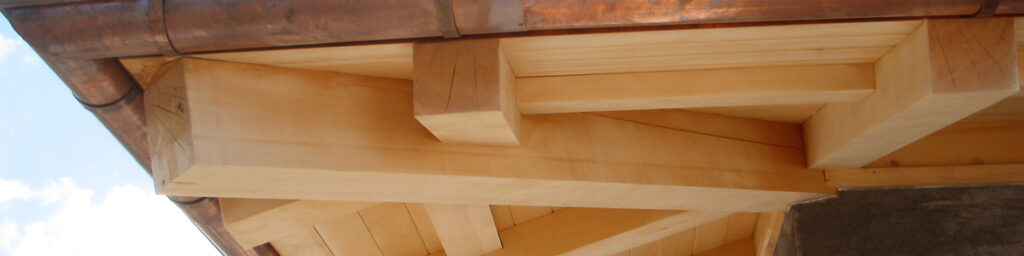
Western Red Cedar Siding vs. Alternatives
Comparisons between cedar siding and fiber cement often focus on price. Serious projects focus on performance over time.
Key Considerations Include
- Replacement Cycles
- Repair Flexibility
- Finish aging characteristics
- Environmental exposure response
Western Red Cedar is frequently chosen for projects where design continuity and repairability matter more than uniformity.
For a detailed lifecycle comparison, see:
Western Red Cedar vs. Alternative Cladding Materials.
Profiles, Grades, and Design Flexibility
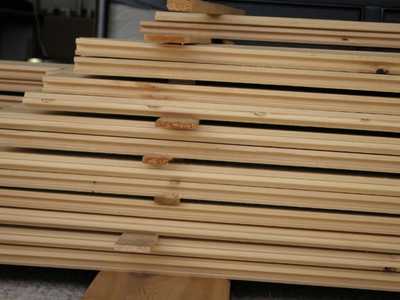
Western Red Cedar siding is available in a range of profiles:
Tongue and groove
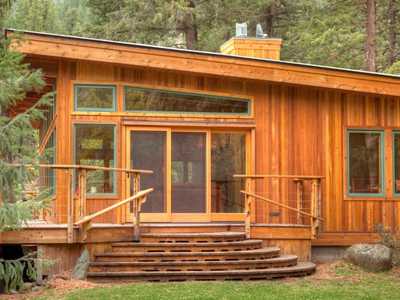
Bevel
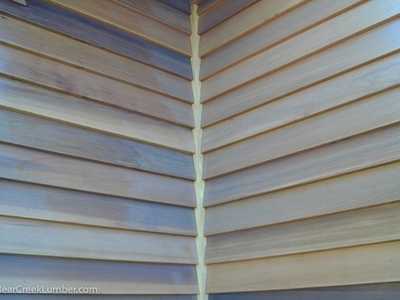
Shiplap - Channel Lap
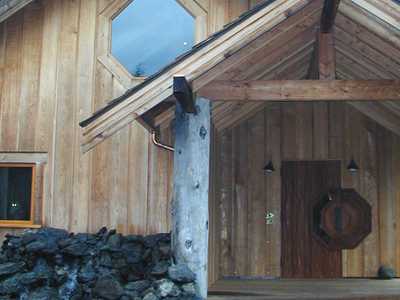
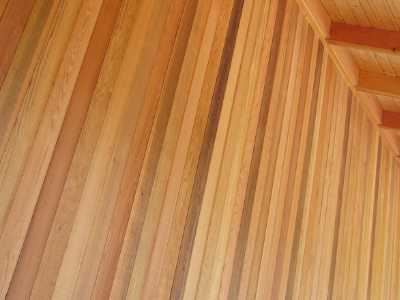
Board and batten
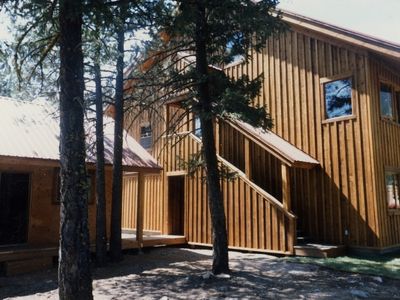
Grain orientation and grade selection influence:
• Movement behavior
• Visual appearance
• Long-term finish performance
Vertical grain material offers increased stability and refined appearance for premium projects.
Clear grades support modern architectural applications where minimal visual interruption is preferred.
Installation and Detailing Considerations for Western Red Cedar Siding
Performance depends on correct installation.
Key considerations include:
- Proper acclimation before installation
- Ventilated rainscreen assemblies
- Stainless steel fasteners to prevent corrosion reactions
- Adequate ground clearance
- nd-sealing and finish compatibility
Material quality cannot compensate for improper detailing.
Builders who address these considerations early reduce call-backs and finish failures.
Sustainability and Responsible Material Use
Longevity is a sustainability strategy.
Fewer replacement cycles reduce environmental impact. Cedar, when responsibly sourced and properly maintained, supports long-term building performance with minimal lifecycle disruption.
Sustainability is not a marketing attribute. It is a durability outcome.
Planning Early Protects the Project
Lead times, profile selection, grain orientation, and grade decisions are best addressed during design development—not after framing.
Early planning allows:
- Accurate specification
- Reduced substitution risk
- Alignment between design intent and material behavior
Western Red Cedar siding performs best when selected intentionally, not reactively.
Request Planning Support or a Free Quote
If you are evaluating Cedar siding for an upcoming project, early material discussions provide clarity.
Get a free quote, design ideas, or technical information at:
Planning support is available for architects, builders, and homeowners seeking material guidance, not sales pressure.
• Coordinated shipments
• Jobsite sequencing
• Milling consistency
• Communication with project managers
• Supply planning ahead of seasonal demand
Cedar Siding Calculators
These calculators Convert Square Feet, Linear Feet, and Board Feet. Sq Ft ↔ Linear Ft requires face width. Board Feet uses thickness × width × length. Helps estimate Western Red Cedar Siding coverage and exposure for your specific project.
Square Feet ↔ Linear Feet
Board Feet Calculator
Square Feet ↔ Board Feet
Converts area ↔ volume using thickness. Width/length don’t matter for this conversion.
Quick Reference
LinearFt = (SqFt × 12) / FaceWidthIn
BF (per piece) = (T(in) × W(in) × L(ft)) / 12
BF (total) = BF(per piece) × Qty
BF = (SqFt × ThicknessIn) / 12
SqFt = (BF × 12) / ThicknessIn